

What Is Ground-Level Ozone?
Ground-level ozone forms when traffic and industrial emissions react in sunlight. It’s the main component of summertime smog and can irritate lungs and trigger asthma. Here’s how it forms, when it’s worst, and what you can do.
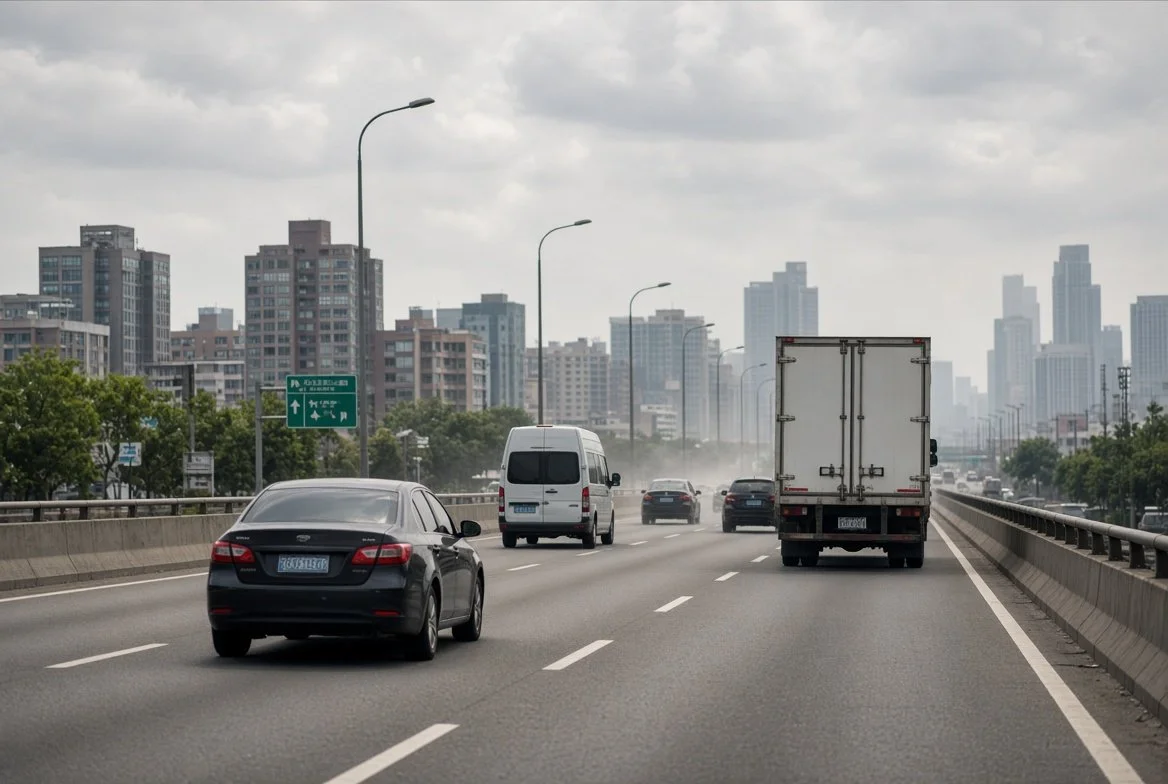
What Is Nitrogen Dioxide?
Nitrogen dioxide is a combustion gas from vehicles, gas stoves, and power plants that can irritate the lungs and worsen asthma. Here’s where it comes from, why indoor sources matter, and simple ways to reduce exposure.
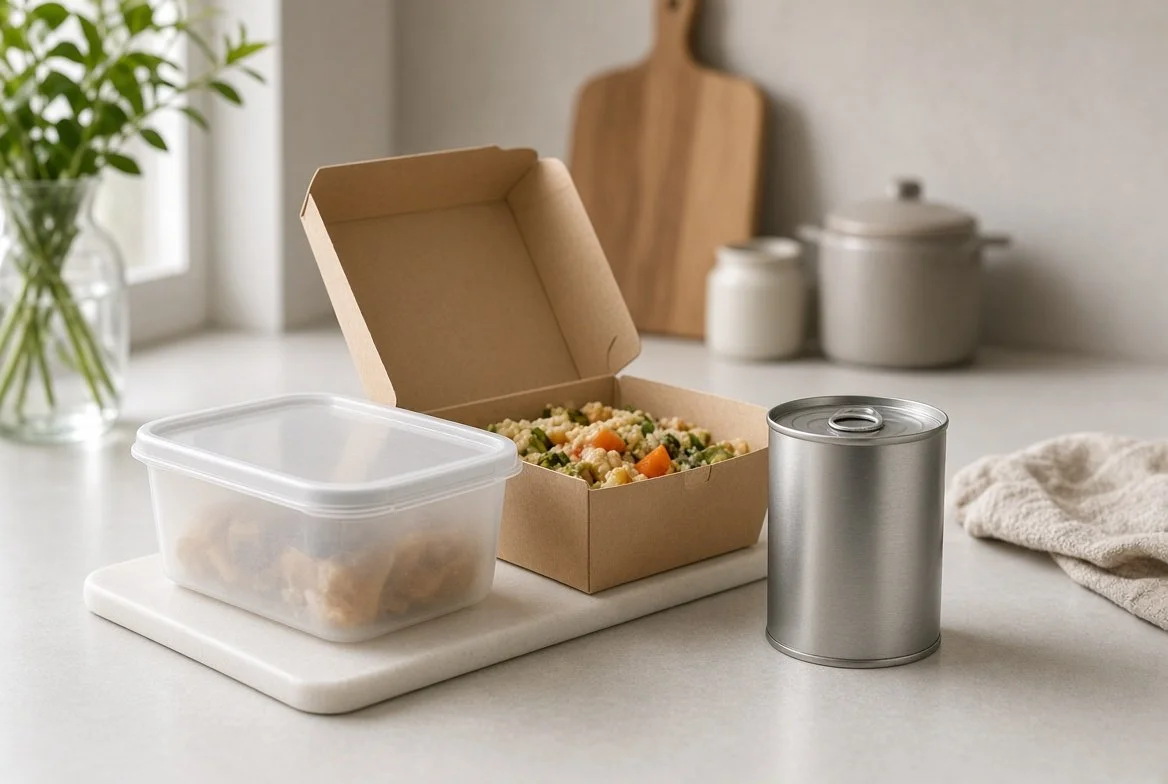
What Are Food Packaging Chemicals?
Chemicals in food packaging can migrate into food — especially when the food is hot, fatty, or stored a long time. Here’s what the main ones are, how transfer happens, and simple ways to reduce contact.

What Are Endocrine Disruptors?
Endocrine disruptors are chemicals that can interfere with hormone systems. They’re found in some plastics, personal care products, pesticides, and other everyday items. Here’s what they are, why timing of exposure matters, and practical ways to reduce contact.
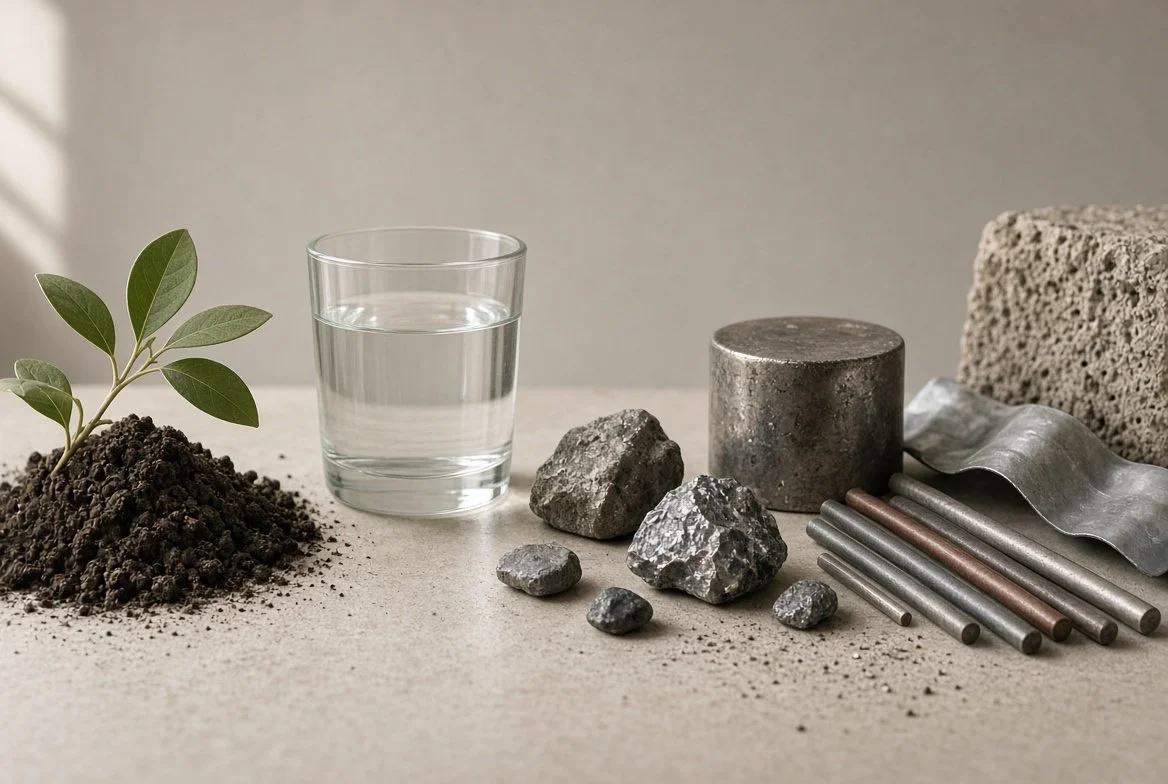
What Are Heavy Metals?
Heavy metals like lead, mercury, arsenic, and cadmium can be toxic at low levels and persist in the environment. They show up in older plumbing and paint, some fish, groundwater, and contaminated soil. Here’s what they are, where they come from, and how to reduce exposure.
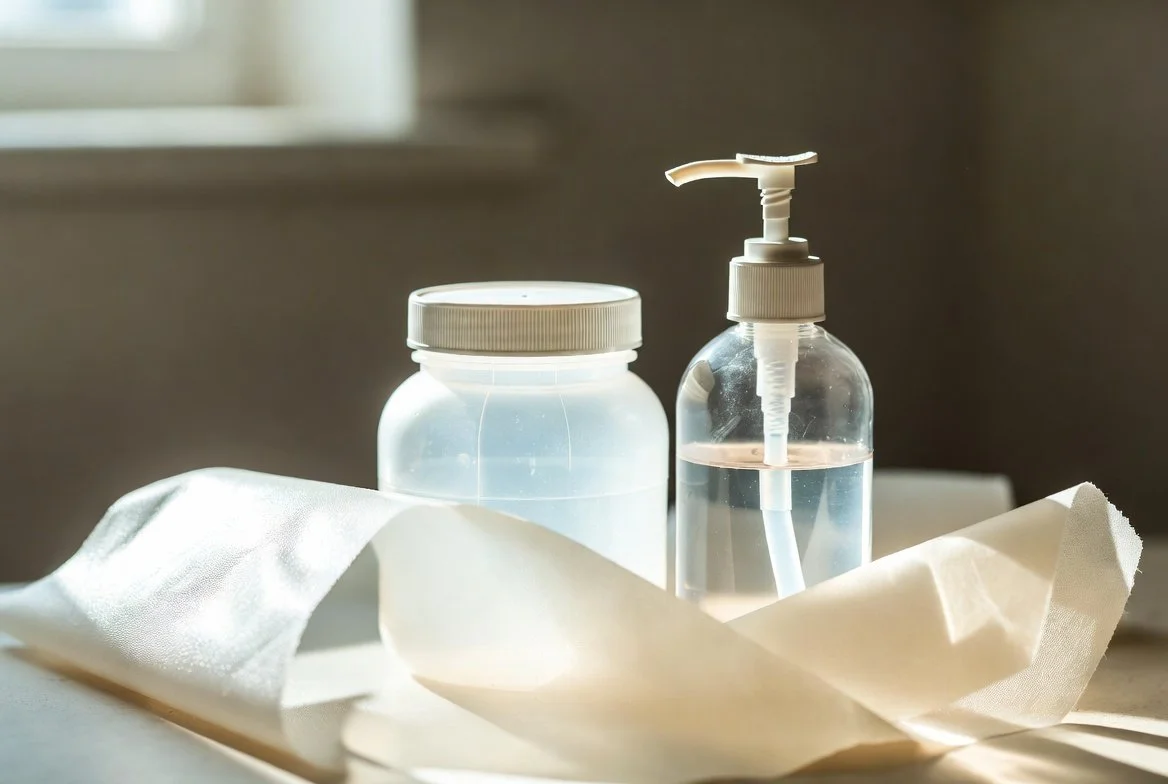
What Are Phthalates?
Phthalates are chemicals used to soften plastics and to make fragrances last longer. They can leach into food, dust, and personal care products, and they’re linked to hormone-disrupting effects. Here’s where they show up and how to reduce everyday exposure.
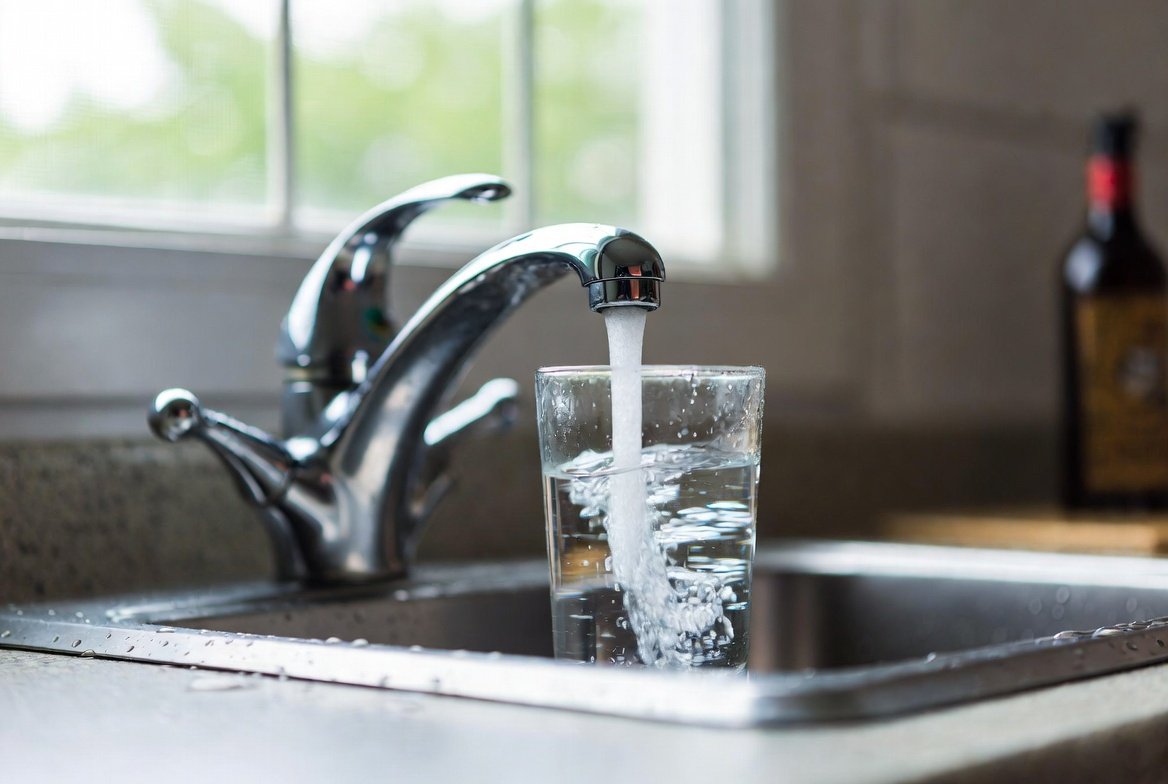
What is Lead in Drinking Water
Lead in drinking water usually comes from plumbing — lead service lines, old solder, and some fixtures — not from the water source. It’s especially harmful to children, and the only way to know if it’s at your tap is to test. Here’s how it gets into water and what reduces exposure.

What Is Acid Rain?
Acid rain is precipitation made more acidic by air pollution, mainly sulfur dioxide and nitrogen oxides from burning fossil fuels. It has damaged lakes, forests, and buildings, but emissions cuts have greatly reduced the problem in many regions. Here’s how it forms and what’s changed.
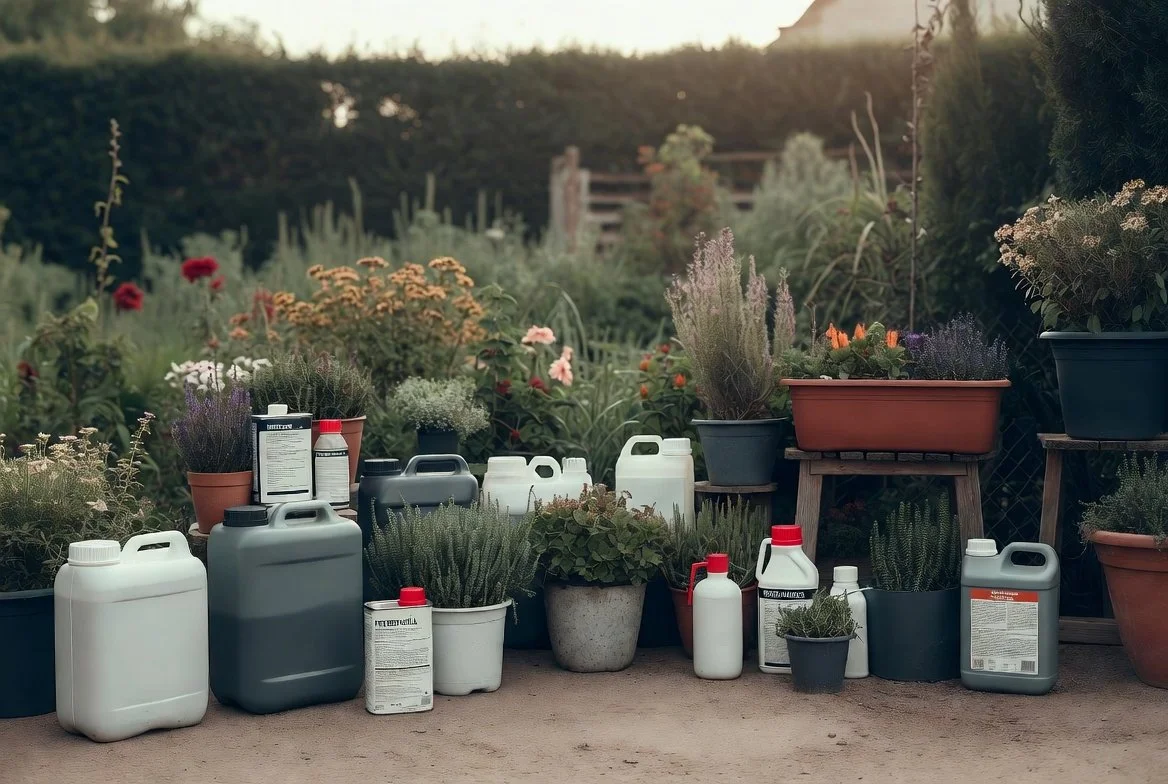
What Are Common Pesticides and Herbicides?
Pesticides kill or control pests; herbicides target weeds. They’re widely used in homes, gardens, and agriculture. Here’s where common ones show up, the main exposure routes, and practical ways to reduce contact while still dealing with pests.

What Is Particulate Matter 2.5 (PM2.5)?
PM2.5 is fine particulate matter small enough to reach deep into the lungs and bloodstream. It’s linked to heart and lung problems, and wildfire smoke is a major and growing source. Here’s what it is, where it comes from, and how to reduce exposure.
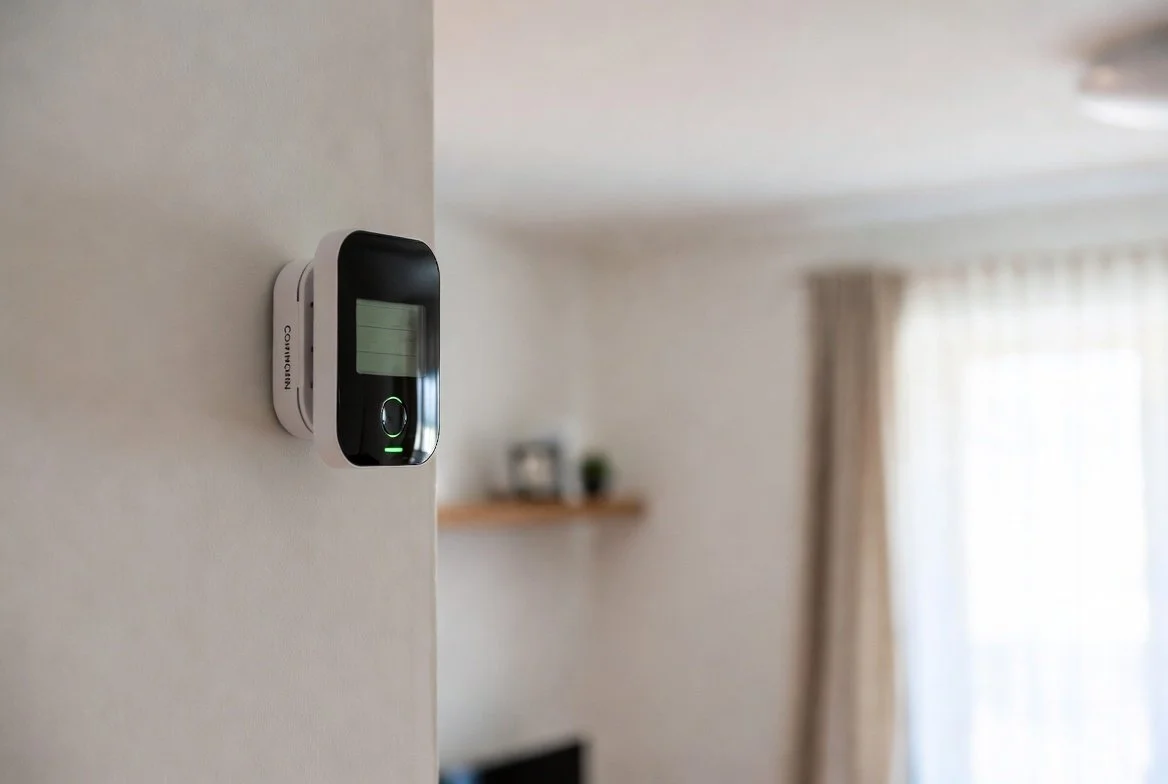
What Is Carbon Monoxide?
Carbon monoxide is a colorless, odorless gas produced when fuels burn incompletely. It can cause serious illness or death before you realize it’s there. Here’s where it comes from, how detectors work, and the practical steps that prevent poisoning.

What Is Lead-Based Paint?
Lead-based paint is still common in homes built before 1978. The real hazard is usually the dust and chips that form when the paint deteriorates or gets disturbed. Here’s where it shows up and how to reduce the risk, especially for young children.
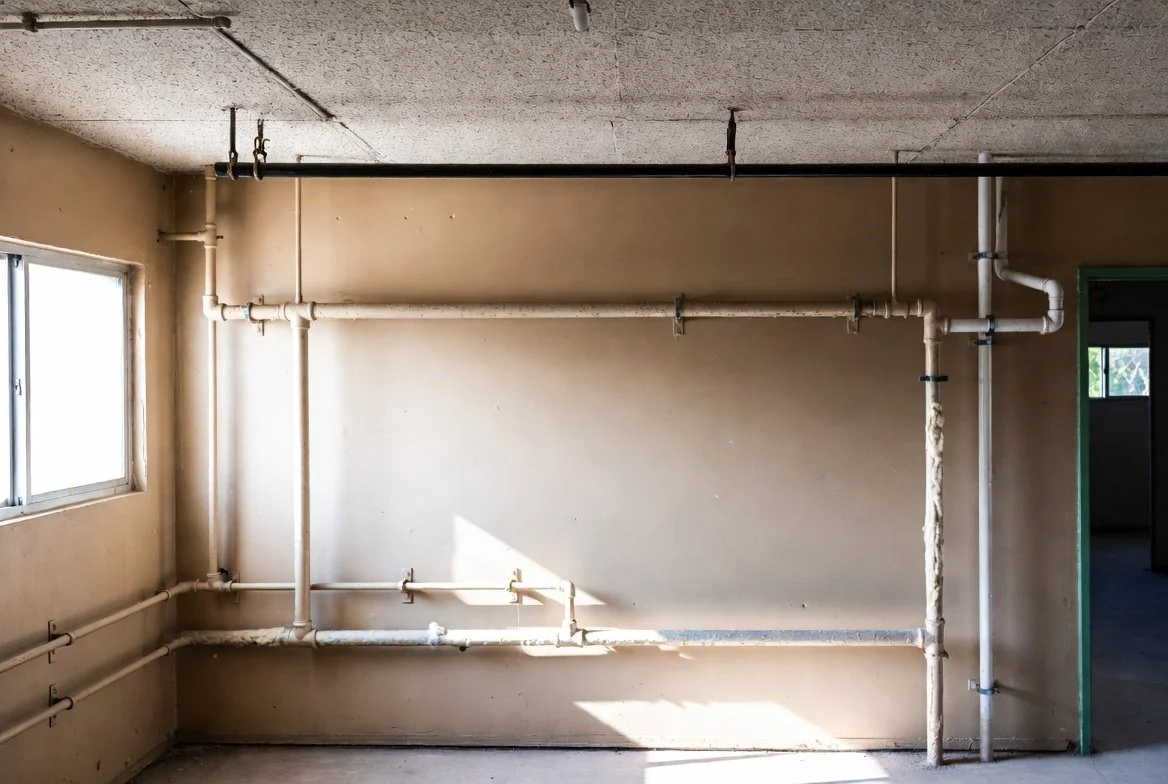
What Is Asbestos?
Asbestos is a group of fibrous minerals once common in building materials. The fibers can cause serious lung disease when inhaled, but intact materials usually aren’t a problem until they’re disturbed. Here’s where it shows up and how to handle it safely.

What Is Formaldehyde?
Formaldehyde’s a common indoor gas that comes mainly from pressed-wood products, some furnishings, and combustion. It can irritate the eyes, nose, and throat, and it’s classified as a human carcinogen with higher exposures. Here’s where it shows up and what actually helps reduce it.
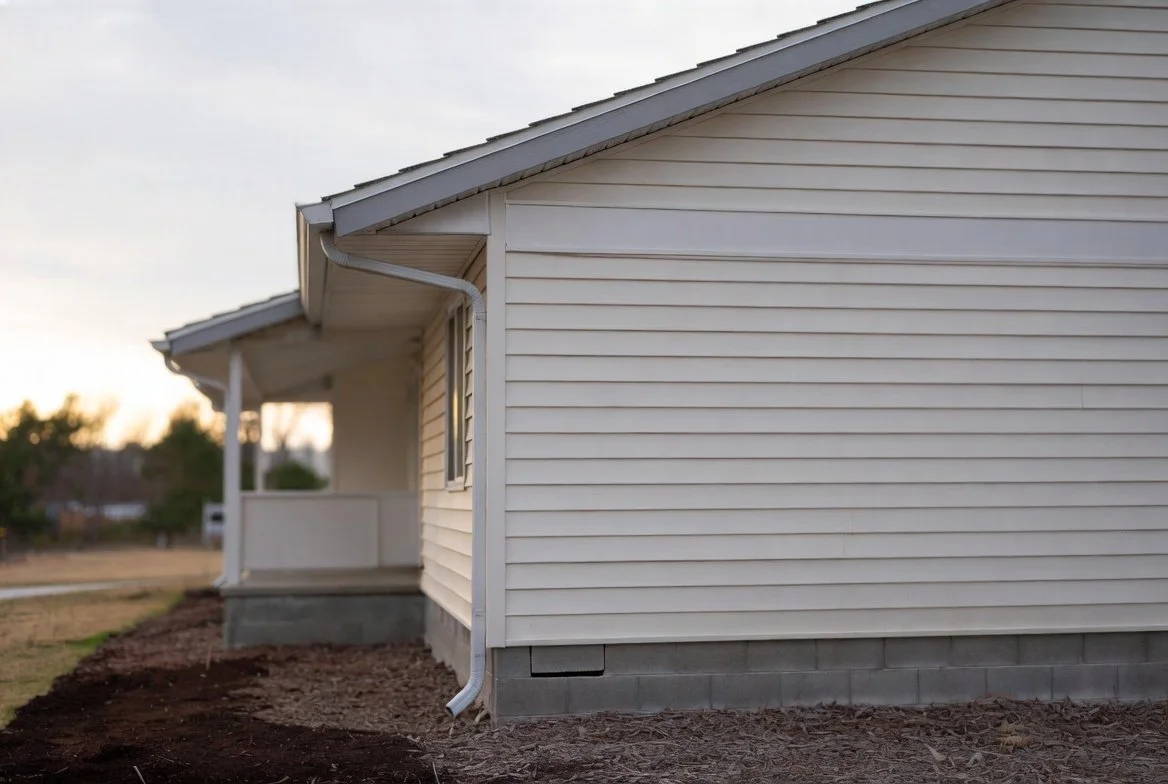
What is Radon?
Radon’s a naturally occurring radioactive gas that comes from the breakdown of uranium in soil and rock. You can’t see, smell, or taste it. Here’s where it comes from, how testing works, and what to do if levels are high.
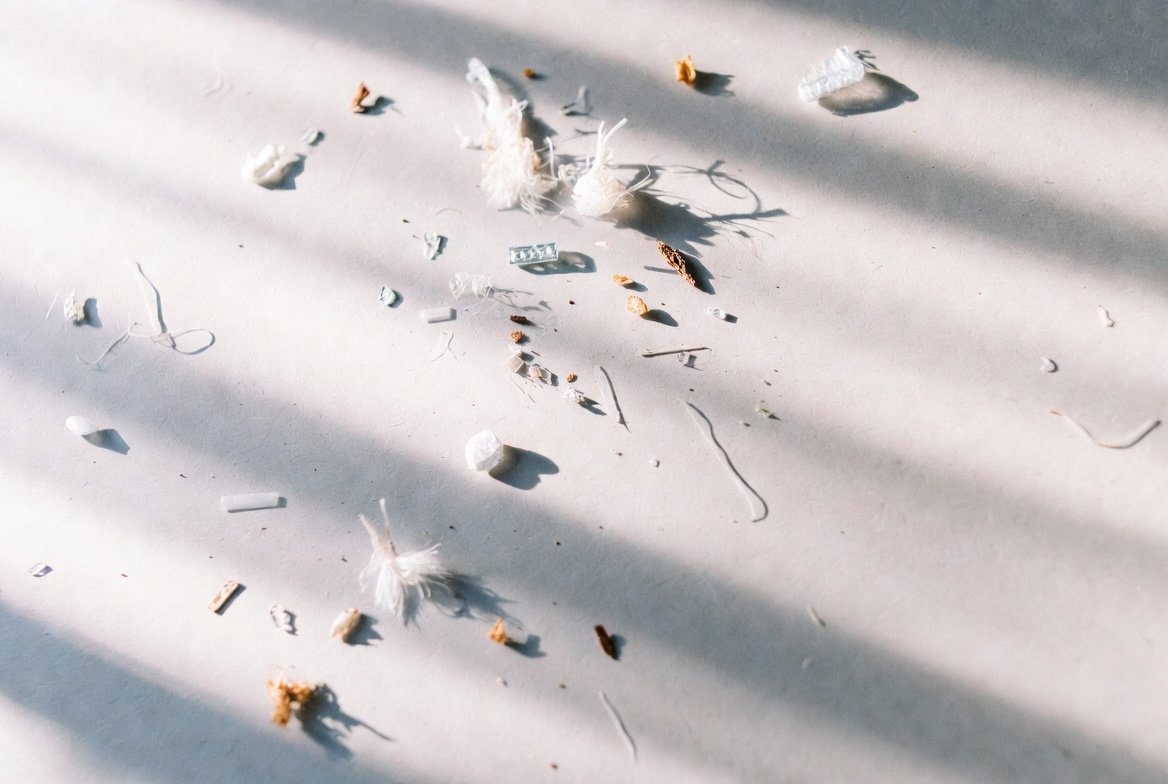
What Are Microplastics?
Microplastics are plastic particles smaller than 5 mm that now appear in water, air, food, and the human body. Most form when larger plastics break down. Here’s a clear look at what they are, where they come from, and what is known so far about their effects.

What are Volatile Organic Compounds (VOCs)?
VOCs are chemicals that easily evaporate into the air from paints, cleaning products, new furniture, and many other everyday items. Indoor levels are often higher than outdoor levels. Here’s a clear look at what they are, where they come from, and practical ways to reduce them.
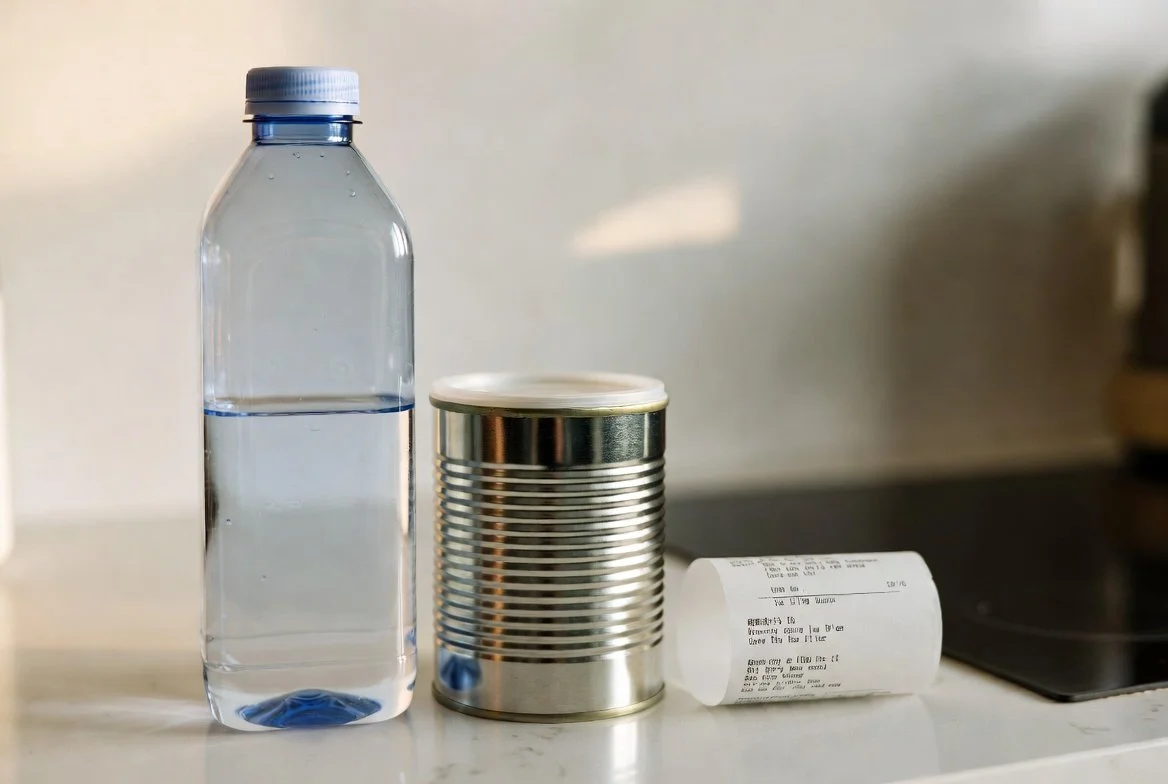
What Is BPA?
BPA is an industrial chemical used to make certain plastics and the linings inside many food cans. It can act like a weak estrogen in the body. Here’s a clear look at where it shows up, how it differs from common replacements like BPS, and practical ways to reduce exposure.
What Are Persistent Organic Pollutants?
Persistent organic pollutants (POPs) are toxic chemicals that last a long time in the environment, build up in living things, and can travel long distances. Many of the original ones are now banned, but they still linger. Here’s a clear look at what they are, why they matter, and what’s been done about them.

What Are Forever Chemicals?
“Forever chemicals” is the nickname for a group of human-made substances that resist breaking down in the environment and in our bodies. Most often it refers to PFAS. Here’s a clear look at what the term actually means, where these chemicals show up, and what practical steps can lower exposure.