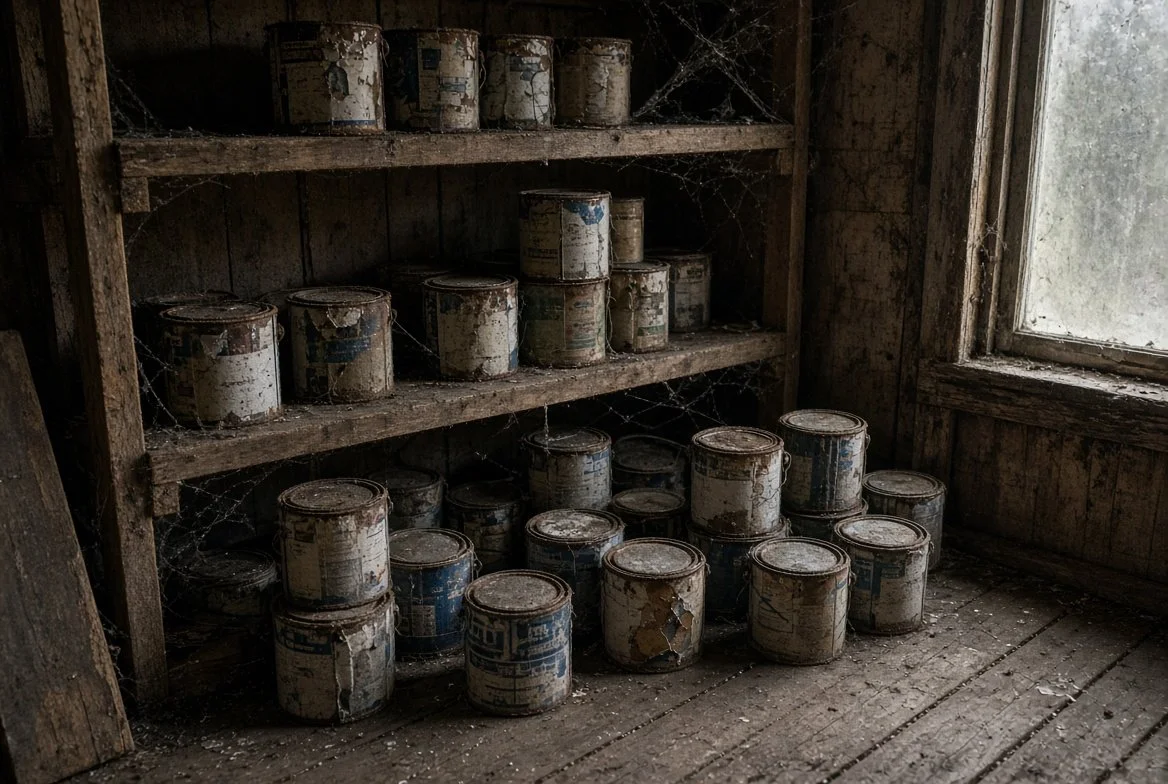

Got old paint cans sitting in the basement or garage? Don’t just toss them in the trash. This guide breaks down the difference between latex and oil-based paint, shows you simple ways to dry out latex paint so it can go in the regular trash, and explains why oil-based paint must go to household hazardous waste. Proper disposal protects your local water, soil, and community.
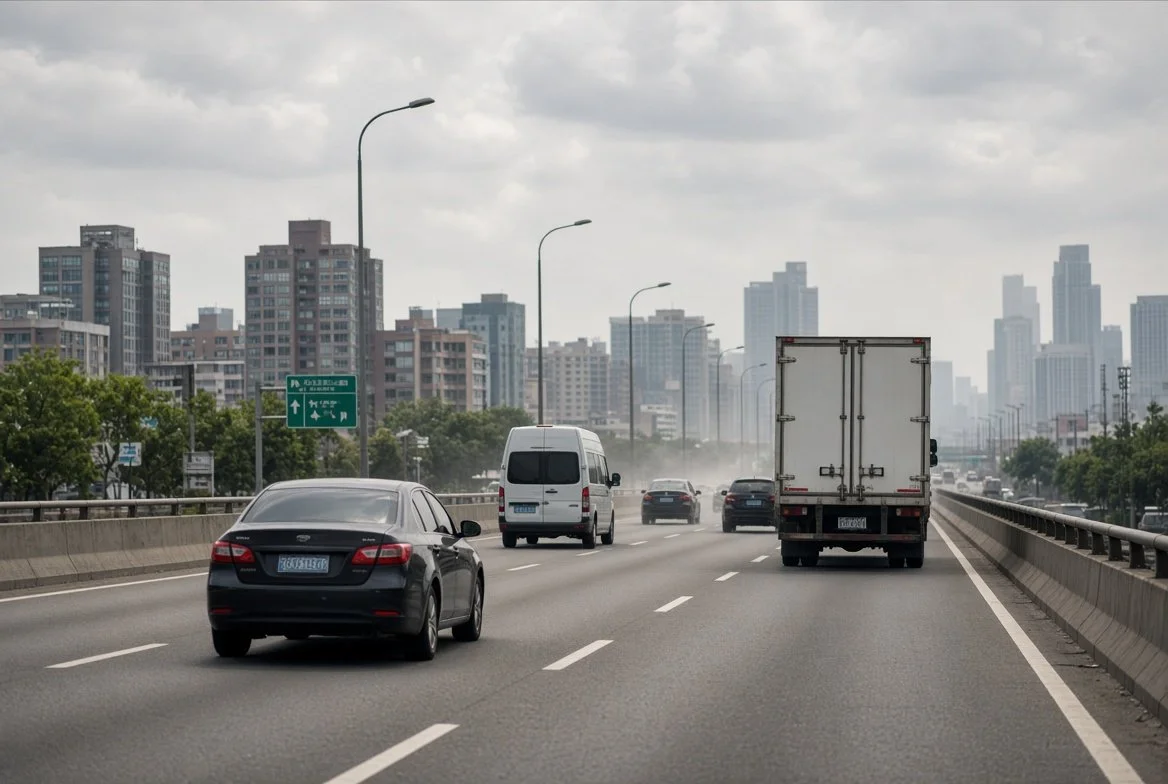
Ground-level ozone forms when traffic and industrial emissions react in sunlight. It’s the main component of summertime smog and can irritate lungs and trigger asthma. Here’s how it forms, when it’s worst, and what you can do.
Nitrogen dioxide is a combustion gas from vehicles, gas stoves, and power plants that can irritate the lungs and worsen asthma. Here’s where it comes from, why indoor sources matter, and simple ways to reduce exposure.
Got old paint cans sitting in the basement or garage? Don’t just toss them in the trash. This guide breaks down the difference between latex and oil-based paint, shows you simple ways to dry out latex paint so it can go in the regular trash, and explains why oil-based paint must go to household hazardous waste. Proper disposal protects your local water, soil, and community.
Ground-level ozone forms when traffic and industrial emissions react in sunlight. It’s the main component of summertime smog and can irritate lungs and trigger asthma. Here’s how it forms, when it’s worst, and what you can do.
Nitrogen dioxide is a combustion gas from vehicles, gas stoves, and power plants that can irritate the lungs and worsen asthma. Here’s where it comes from, why indoor sources matter, and simple ways to reduce exposure.
Trending
Got old paint cans sitting in the basement or garage? Don’t just toss them in the trash. This guide breaks down the difference between latex and oil-based paint, shows you simple ways to dry out latex paint so it can go in the regular trash, and explains why oil-based paint must go to household hazardous waste. Proper disposal protects your local water, soil, and community.
Ground-level ozone forms when traffic and industrial emissions react in sunlight. It’s the main component of summertime smog and can irritate lungs and trigger asthma. Here’s how it forms, when it’s worst, and what you can do.
Nitrogen dioxide is a combustion gas from vehicles, gas stoves, and power plants that can irritate the lungs and worsen asthma. Here’s where it comes from, why indoor sources matter, and simple ways to reduce exposure.
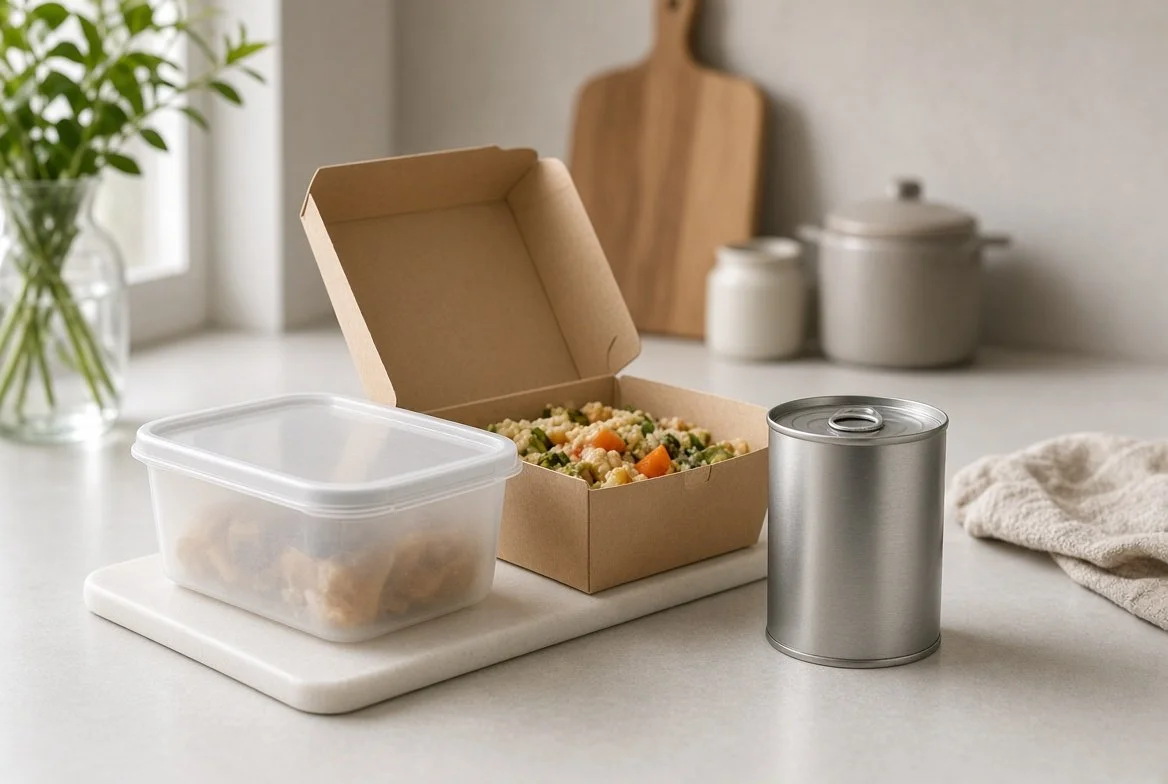
Chemicals in food packaging can migrate into food — especially when the food is hot, fatty, or stored a long time. Here’s what the main ones are, how transfer happens, and simple ways to reduce contact.
Indoor
Got old paint cans sitting in the basement or garage? Don’t just toss them in the trash. This guide breaks down the difference between latex and oil-based paint, shows you simple ways to dry out latex paint so it can go in the regular trash, and explains why oil-based paint must go to household hazardous waste. Proper disposal protects your local water, soil, and community.
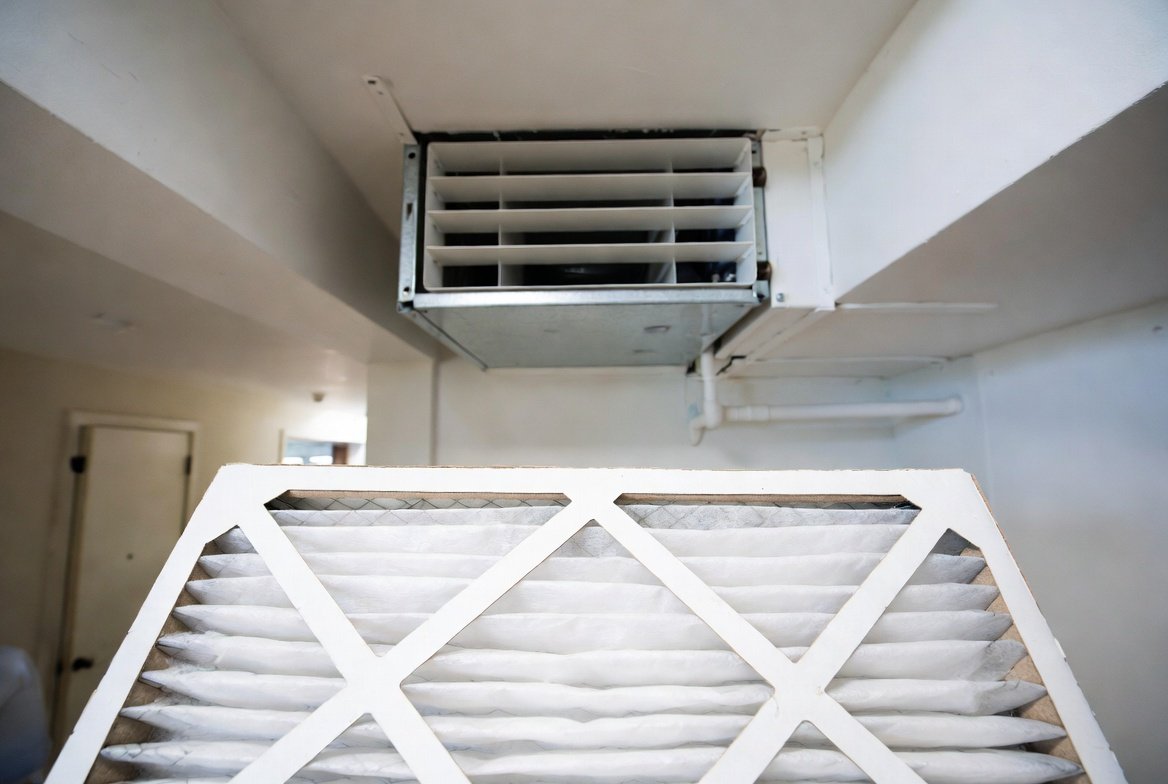
We’ve all been told to change our AC filters every month. But when you pull one out and it’s still mostly white, you’re often throwing away a filter that’s actually working better than a brand-new one. Here’s the real story on how filters work, why a light layer of dust helps, and how to know when it’s truly time to change it.
Outdoor
Ground-level ozone forms when traffic and industrial emissions react in sunlight. It’s the main component of summertime smog and can irritate lungs and trigger asthma. Here’s how it forms, when it’s worst, and what you can do.
Nitrogen dioxide is a combustion gas from vehicles, gas stoves, and power plants that can irritate the lungs and worsen asthma. Here’s where it comes from, why indoor sources matter, and simple ways to reduce exposure.
Acid rain is precipitation made more acidic by air pollution, mainly sulfur dioxide and nitrogen oxides from burning fossil fuels. It has damaged lakes, forests, and buildings, but emissions cuts have greatly reduced the problem in many regions. Here’s how it forms and what’s changed.
PM2.5 is fine particulate matter small enough to reach deep into the lungs and bloodstream. It’s linked to heart and lung problems, and wildfire smoke is a major and growing source. Here’s what it is, where it comes from, and how to reduce exposure.
Food & Health
Chemicals in food packaging can migrate into food — especially when the food is hot, fatty, or stored a long time. Here’s what the main ones are, how transfer happens, and simple ways to reduce contact.
Endocrine disruptors are chemicals that can interfere with hormone systems. They’re found in some plastics, personal care products, pesticides, and other everyday items. Here’s what they are, why timing of exposure matters, and practical ways to reduce contact.
Phthalates are chemicals used to soften plastics and to make fragrances last longer. They can leach into food, dust, and personal care products, and they’re linked to hormone-disrupting effects. Here’s where they show up and how to reduce everyday exposure.
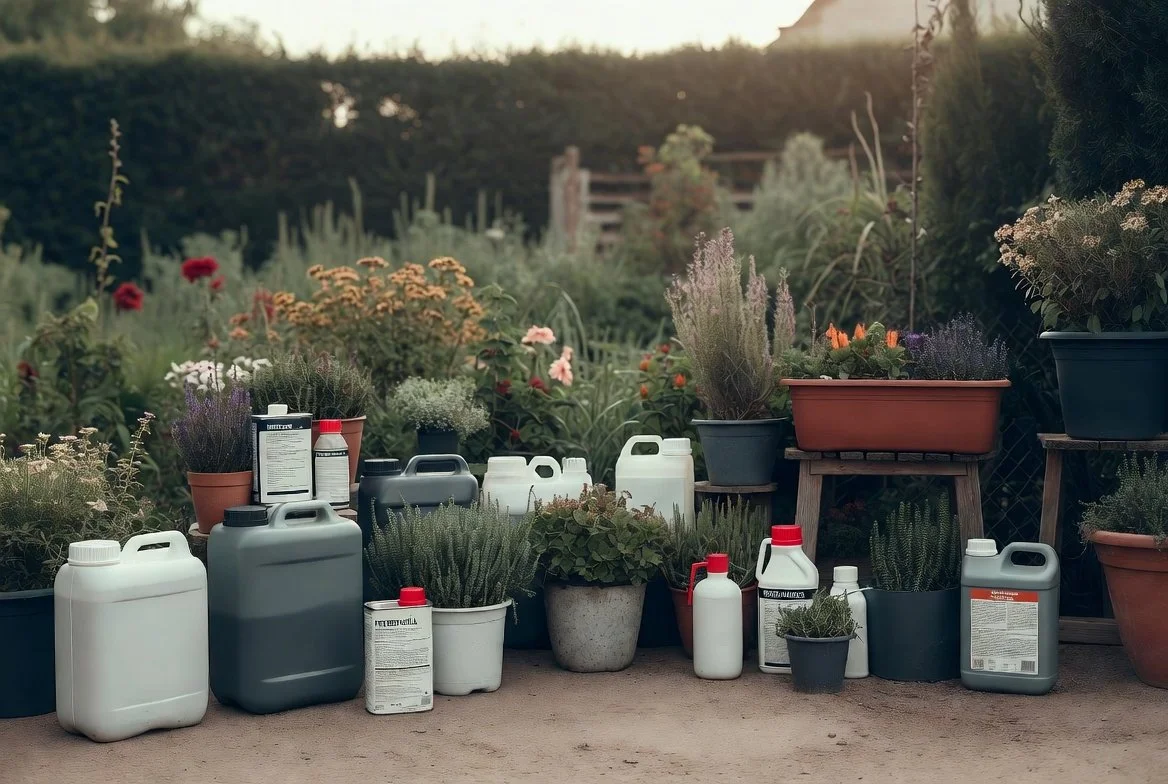
Pesticides kill or control pests; herbicides target weeds. They’re widely used in homes, gardens, and agriculture. Here’s where common ones show up, the main exposure routes, and practical ways to reduce contact while still dealing with pests.
Business
Got old paint cans sitting in the basement or garage? Don’t just toss them in the trash. This guide breaks down the difference between latex and oil-based paint, shows you simple ways to dry out latex paint so it can go in the regular trash, and explains why oil-based paint must go to household hazardous waste. Proper disposal protects your local water, soil, and community.
Ground-level ozone forms when traffic and industrial emissions react in sunlight. It’s the main component of summertime smog and can irritate lungs and trigger asthma. Here’s how it forms, when it’s worst, and what you can do.
Nitrogen dioxide is a combustion gas from vehicles, gas stoves, and power plants that can irritate the lungs and worsen asthma. Here’s where it comes from, why indoor sources matter, and simple ways to reduce exposure.
Chemicals in food packaging can migrate into food — especially when the food is hot, fatty, or stored a long time. Here’s what the main ones are, how transfer happens, and simple ways to reduce contact.